os dias todos iguais, esses assassinos...


      IRIS DEMENT Leaning On The Everlasting Arms  (orig. Elisha A. Hoffman & Anthony J. Showalter)


#235 BÊNÇÃO

© antero de alda


"Ai de vós, escribas e fariseus, hipócritas! porque dais o dízimo da hortelã, do endro e do cominho, e tendes omitido o que há de mais importante na lei... a justiça, a misericórdia e a fé."


Adozinda (84).

Serra de Bigorne, Março de 2011.

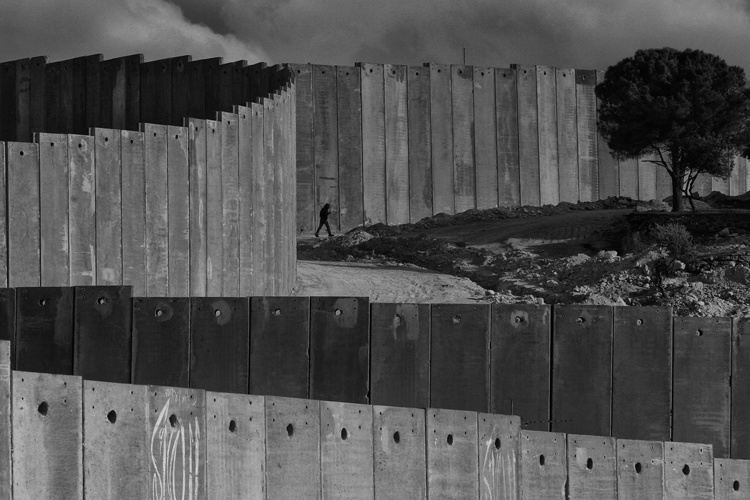
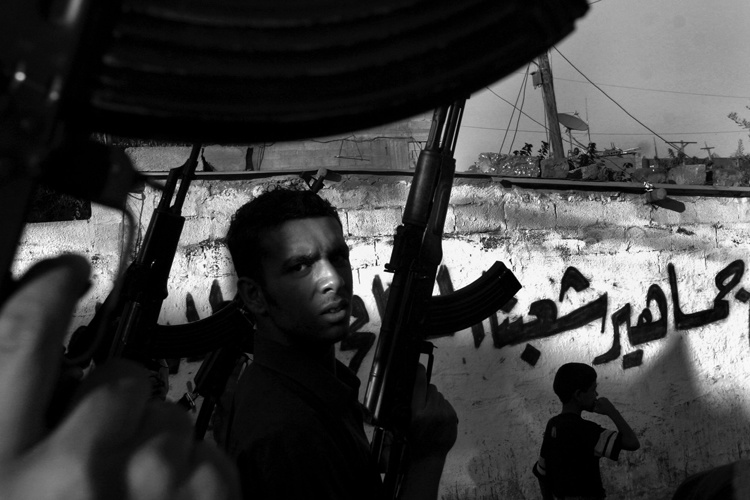
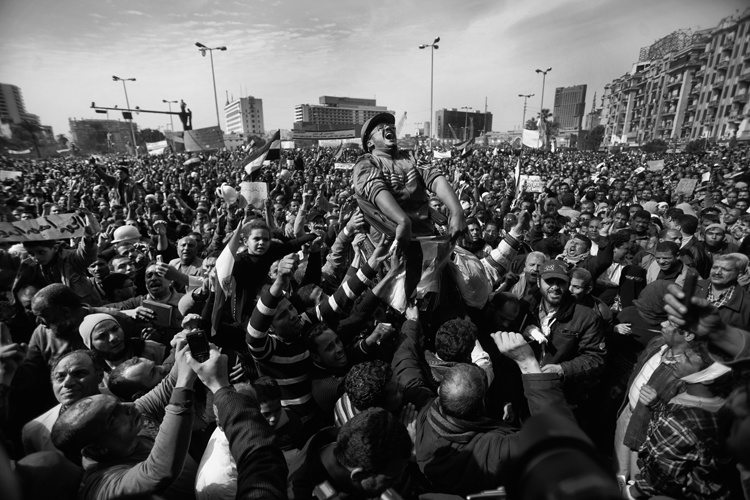
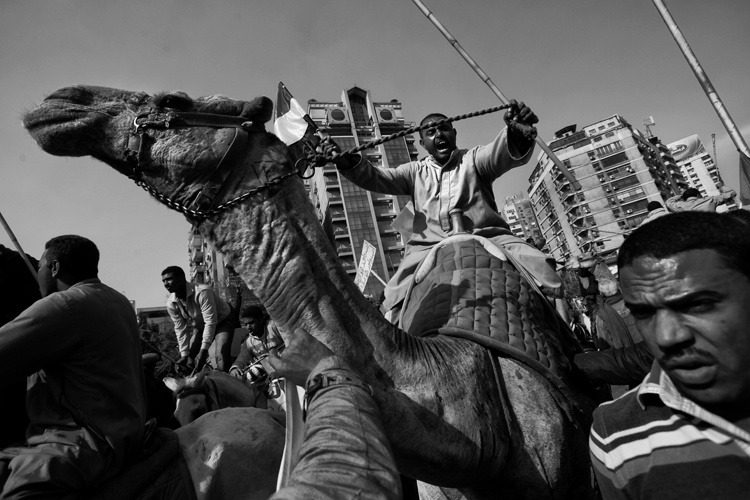
#234 METAMORPHOSIS: IMAGES FROM THE ARAB WORLD


O mundo árabe está em mudança: nas ruas e no ciberespaço os jovens ameaçam o poder autocrático de regimes caracterizados por longos anos de ditadura.

A partir de Israel há uma pressão crescente sobre a administração Obama para o reinício do processo de paz com a Palestina. Parecendo evoluir do contexto dos ataques de 11 de Setembro nos EUA, estas mudanças estendem-se ao Egipto e à Síria.

O Iraque e o Afeganistão foram os primeiros países a experimentar a ira da vingança americana.

A queda de Mubarak constitui um poderoso sinal da «Primavera Árabe» que está em marcha e é protagonizada principalmente pelas novas gerações.

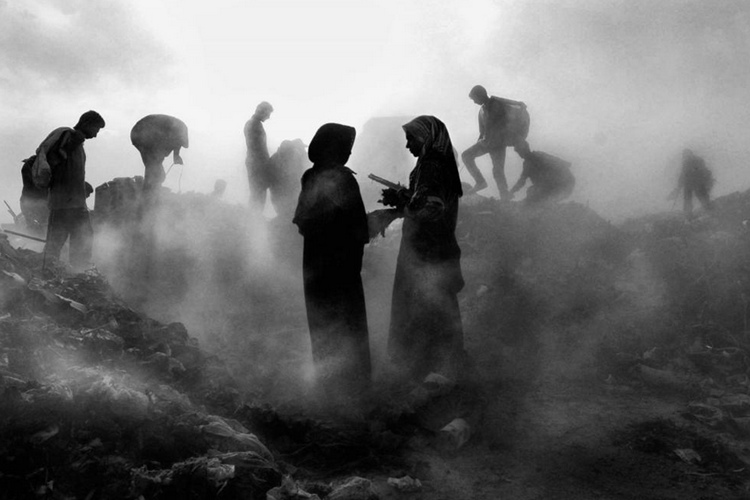
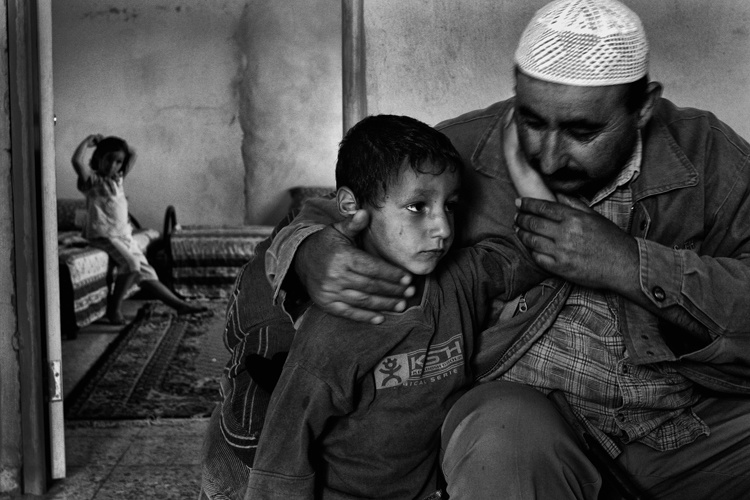
The Arab world is in a major state of flux: a new generation of youth are taking to the streets and cyberspace changing regimes in Tunisia, Egypt and threatening other autocratic leaders in Yemen and Syria. Israel, warily watching these changes, is feeling increased pressure from the Obama administration to restart the peace process with the Palestinians. These photographs are a small window into four countries that have experienced tumultous change since the September 11 attacks: Iraq, Israel/Palestinian Territories, Lebanon and Egypt. Iraq, like Afghanistan, felt the wrath of American vengence most acutely. Eight years on US troops are still present in the country. Lebanon and Israel continue with internal turmoil and a war fought between the two in 2006. The fall of the Mubarak regime is the most recent and powerful reminder that a youth movement and thirst for democracy is in full bloom during the current "Arab Spring."


© michael robinson chávez


Países árabes (Egipto, Israel/Palestina, Líbano e Iraque), 2002-2011.

#233 O PRAZER DE FOTOGRAFAR

© eduardo teixeira pinto


UM MUSEU PARA O EDUARDO

Eduardo Teixeira Pinto é um grande fotógrafo, um fotógrafo de um mundo que já quase não existe. Dito por outras palavras, é um fotógrafo de um tempo quase perfeito.

Vivemos hoje numa parede entre duas esquinas. Lula Pena, essa estranha voz do fado (do fado exquis ou o fado esquisito), disse um dia: «o silêncio não assusta» e «a velocidade é uma coisa que não é humana». É certo: ruído e velocidade caracterizam tragicamente este tempo de passagem.

Nos últimos anos Amarante transformou-se. Cedendo, também, a um certo caos, sacrificando-se por essa avassaladora dinâmica da inevitabilidade, do enriquecimento fácil, da ilusão da felicidade a qualquer preço. Retomando as palavras do fado exquis, o que fazer, então, contra esta velocidade, contra este ruído?

Como há 200 anos, temos que defender outra vez a ponte. Uma outra ponte, é certo: uma ponte para atravessar esta esquina, para levar às gerações futuras o rio do Eduardo, a névoa do Eduardo, as lavadeiras e as velhas azenhas, as feiras antigas e os negociantes de gado, a luz matinal, os reguilas e os barcos, o Tâmega límpido ou em chamas...


ANTERO DE ALDA

Do discurso de apresentação do livro «EDUARDO TEIXEIRA PINTO — A Poética da Imagem».

Amarante, Dezembro de 2010.

www.aduardoteixeirapinto.com 


#232 O TRIBUTO

Dona Antónia.


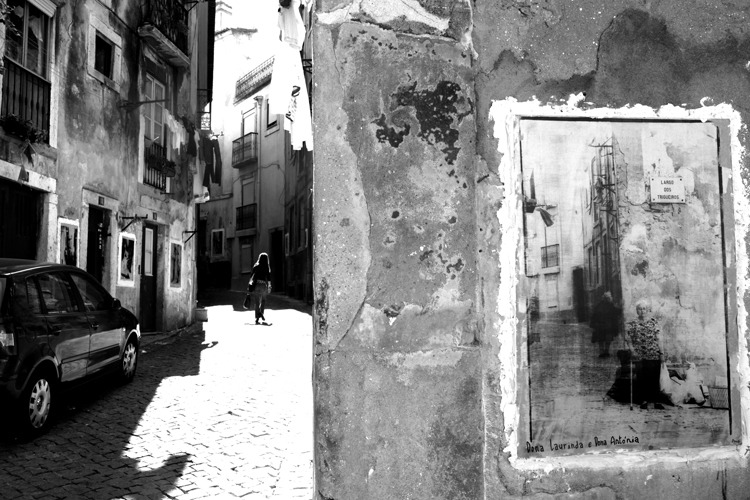
"O Tributo" é uma homenagem aos bairros antigos de Lisboa e às pessoas que neles habitam, especialmente as mais idosas. Até agora, Camilla Watson fez 20 retratos no Bairro da Mouraria, que gravou em emulsões em gesso sobre as paredes das casas, sugerindo que através destes as pessoas fotografadas possam continuar a viver ali para sempre...

"O TRIBUTO" is an outdoor exhibit in the Beco das Farinhas; just by where I live and work. The exhibit includes 20 images of the elderly residents living in the beco. The images were initially printed onto plasterboard (pladur) using a liquid emulsion. I am now in the process of re-printing them onto a maritime wood which can survive the Lisbon rain. The photos are a tribute to the elderly and to their spirits which make this part of Lisbon very special. I wanted to exhibit them as part of the walls of the beco as it feels to me that their spirits inhabit the old walls themselves.


Beco das Farinhas.


Dona Laurinda.


Senhor Joaquim.


© camilla watson


Bairro da Mouraria, Lisboa, 2009.

#231 "THE DRUNKEN BICYCLE"

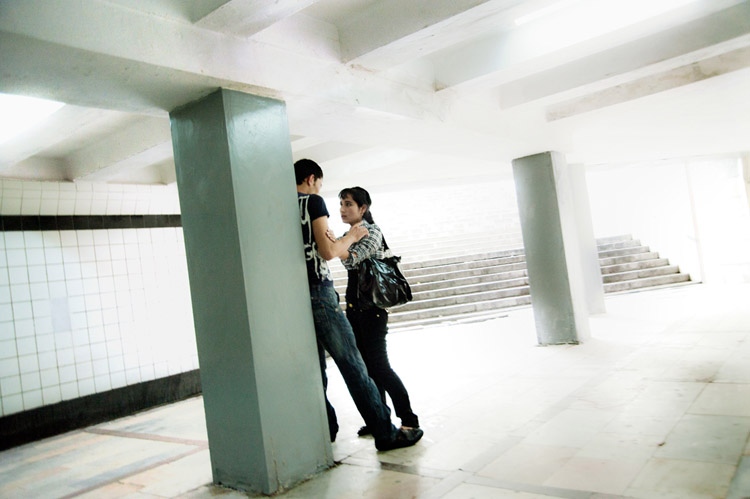
Subway, Tashkent, Uzbekistan, 2010.


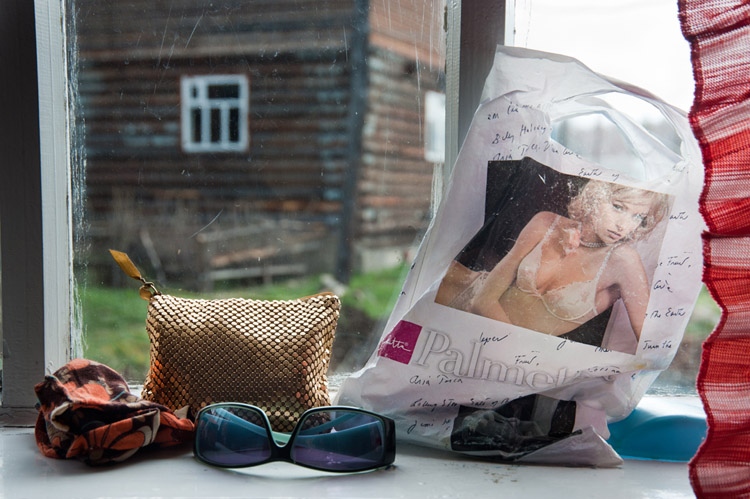
Dacha, Arshan, Siberia, 2010.
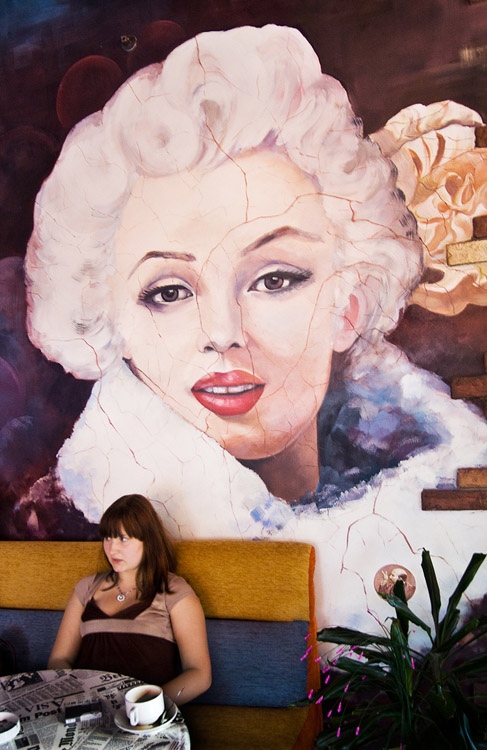


Cinema Cafe, Vladivostok, Russia, 2008.


Frank Ward conta que na Sibéria encontrou um homem que aluga a sua bicicleta aos turistas para pequenos passeios. Como ele diz, trata-se de uma bicicleta bêbada («drunken bicycle»), porque anda ao contrário: rodando o volante para a direita ela vira para a esquerda e rodando o volante para a esquerda ela vira à direita... O homem da bicicleta garante que é fácil andar sobre ela, mas arrisca oferecer cerveja a quem conseguir aguentar-se alguns metros sem cair.

«Drunken bicycle» é uma metáfora soberba sobre a vida nos países da antiga União Soviética, balançando entre as inúmeras possibilidades de mudança e o 'status' secular.

E enquanto os turistas registam com um sorriso o retrato de Putin numa carpete enorme à venda em Irkutsk, na Sibéria, ou uma pintura de Marilyn numa parede de Vladivostok, junto à fronteira norte-coreana, os habitantes locais experimentam as contradições de um tempo em mudança, que é simultaneamente de paixão e dor...


THE DRUNKEN BICYCLE — TRAVELS IN THE FORMER SOVIET UNION

Occasionally, in the town squares of many cities in Siberia there is a man selling rides on a bicycle, a drunken bicycle. A conventional two-wheeled bike has been outfitted with a reverse steering gear. If one turns the handlebars right, the front wheel turns left. Of course, the operator demonstrates how easy it is to ride and offers bottles of beer if one can simply travel a few meters without falling. Crowds circle the action, and there is never a shortage of brave young men who attempt the traverse. That said, I have not yet seen a customer navigate the bike successfully.

The drunken bicycle is an apt metaphor for life in the Former Soviet Union (FSU). The bureaucrats appear to be swaying on a drunken bicycle; the hapless traveler spends his days confused by the swing of it, and this photographer is continually under its influence.

It is difficult not to telegraph my bemusement of the contradictions of the FSU with my smile. The publicly dour Russians think we Americans have a foolish grin continually pasted on our faces. Well, I do, but it is not the former Soviets I am laughing at. It is the joy of seeing Marilyn Monroe represented in a wall-sized painting with Lenin looking up at her, or my surprise at a grandmother who asks me to take her picture in a bikini at the beach. The FSU is a paradise of paradox, where the landscapes are limitless and the people are full of passion and pain.

FRANK WARD
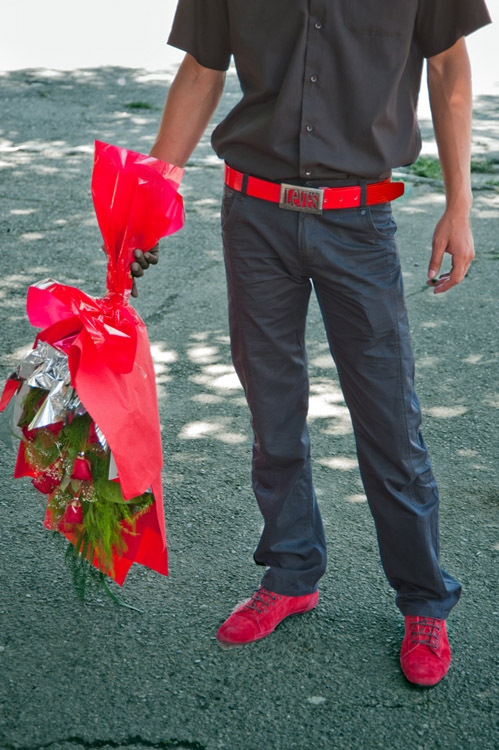


Boy with Flowers, Tashkent, Uzbekistan, 2010.
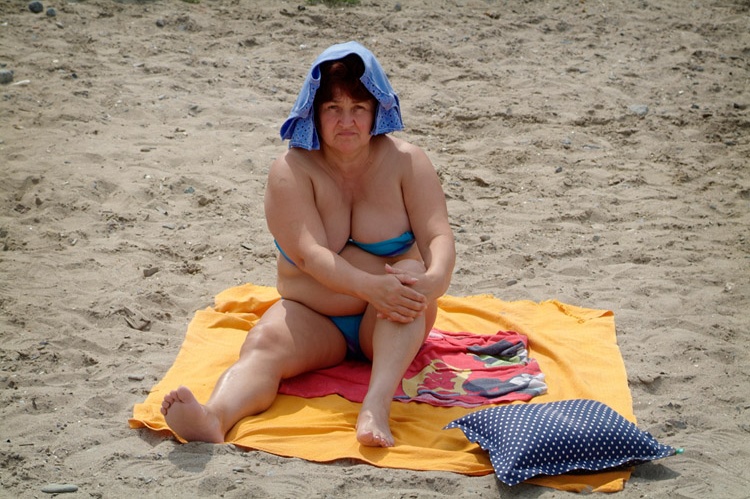


Woman on the Beach, Odessa, Ukraine, 2005.

© frank ward


[ início home ]  [ anterior prev ]  [ seguinte next ]